Prenatal yoga is gentle yoga made for pregnancy. Slow movement, supported poses and calm breathing help you feel more comfortable and steady as your body changes. No yoga experience needed.
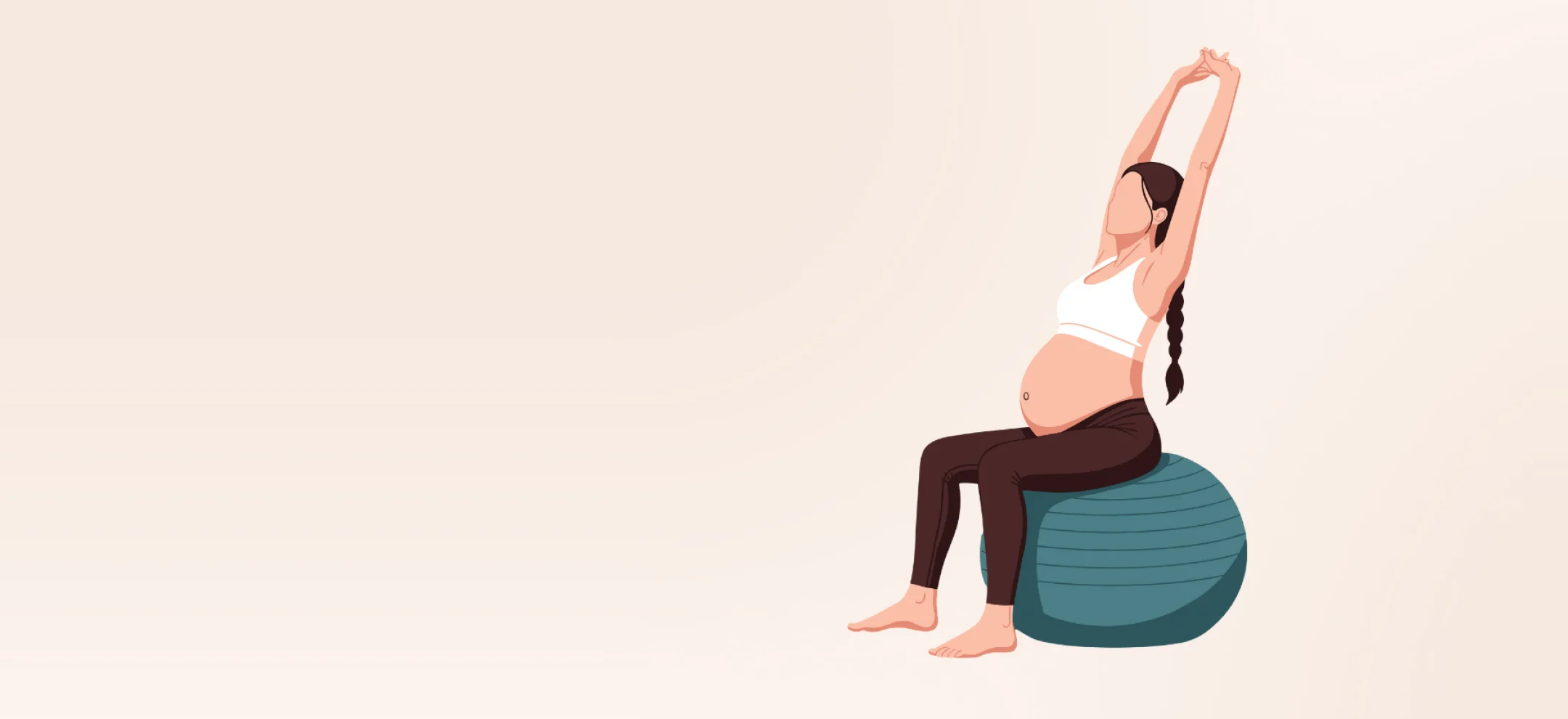
Prenatal yoga adapts movement, breathing and rest to each stage of pregnancy. Poses are slower and supported by a chair, a cushion or the wall, and nothing presses on your belly.
Pregnancy hormones loosen your joints, so the aim is steadiness rather than deep stretching. Divya is trained in prenatal yoga and adjusts every pose to how many weeks pregnant you are and how you feel that day.
Benefits of prenatal yoga
How prenatal yoga brings you balance
Ease for a changing body
Gentle stretches for your hips, back and shoulders, which carry more as your baby grows.
Breathing you can lean on
Slow, steady breathing you can use whenever you need to calm down, now and after your baby arrives.
Time for you and your baby
A quiet hour to slow down, rest and notice how you feel, away from a busy day.
Is prenatal yoga right for you?
Expecting mothers at any stage of pregnancy who have their doctor's go-ahead, whether you are new to yoga or have practised for years.
Is prenatal yoga safe for you?
Prenatal yoga is generally considered safe in a healthy pregnancy, but always check with your doctor first, especially if you have high blood pressure, bleeding, a placenta concern or a history of early labour. Tell Divya how many weeks pregnant you are, and stop to rest if you feel dizzy, breathless or any pain.
What to wear and bring
Loose, comfortable clothes that do not press on your belly
A water bottle, and sip often
A cushion or folded blanket if you like extra support
Your doctor’s go-ahead to practise
What happens in a prenatal yoga class
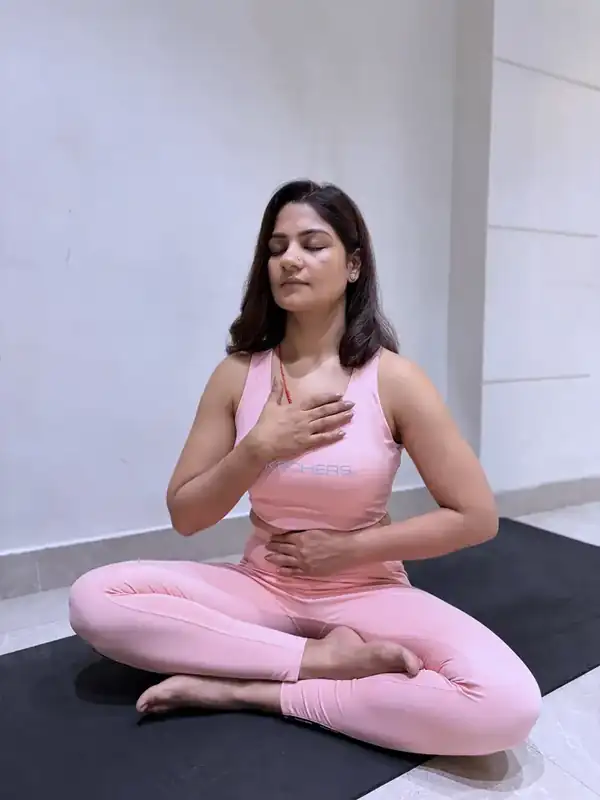
1Settle in with slow breathing, sitting comfortably or lying on your side.
2A gentle warm-up for your neck, shoulders, hips and back.
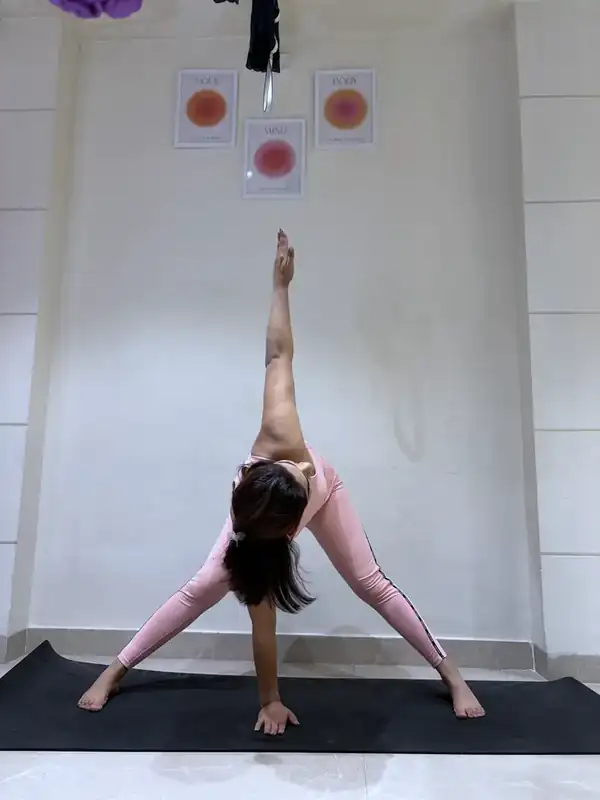
3Supported standing and seated poses, with a chair or the wall close by.
4Relaxation lying on your side, propped with cushions.