
Prenatal yoga is not a softer version of a normal class. It is a practice built around the pregnant body: looser joints, a changing centre of gravity, energy that rises and falls, and a mind that has a lot to process. This guide explains what “gentle” really means in pregnancy, the ways prenatal yoga can support you, what a safe class looks like and how to practise at home.
Key takeaways
- Gentle prenatal yoga is designed for pregnancy: slow, supported and focused on comfort rather than depth or intensity.
- Many mothers find it eases stiffness in the back, hips and legs, helps posture and balance, and gives them calm time to breathe and rest.
- Breath awareness learned in class is something many women carry into daily life, labour and recovery.
- A safe class uses pregnancy-appropriate poses, slow transitions, props and clear guidance, and lets you rest at any point.
- Check with your doctor before you start, and choose a teacher trained in prenatal yoga, in the studio or online.
What “gentle” really means in pregnancy
During pregnancy, hormones loosen the ligaments around your joints. This makes the body feel more flexible, but also easier to strain. A gentle prenatal practice respects that change: movements are slow and deliberate, poses are adapted with props, and comfort always comes before depth.
The purpose is not to stretch further or hold a pose longer. It is to move in a way that feels supportive and responsive to how your body feels that day.
Why prenatal yoga is different from a regular class
| What changes in pregnancy | How prenatal yoga responds |
|---|---|
| Hormones loosen joints and ligaments | Steady, supported poses instead of deep stretches |
| Balance and posture shift as the belly grows | Wide stances, a chair or wall nearby, no jumping |
| Energy changes from week to week | Shorter sequences and rest offered throughout |
| Lying on the back becomes uncomfortable or unadvisable later on | Side-lying and propped-up resting positions |
| Emotions can feel stronger | Time for slow breathing, stillness and relaxation |
Six ways prenatal yoga can support you
What many mothers say they notice from regular, gentle practice.
1. Physical comfort
As the weeks pass, your back, hips and legs carry more. Gentle stretches and slow movement help reduce stiffness, encourage circulation and ease tension, without asking the body for more than it can comfortably give. The intention is relief, not intensity.
2. Posture and balance
A growing belly shifts your centre of gravity forward, which often pulls on the lower back. Prenatal yoga builds awareness of how you stand and sit, and includes gentle strengthening for the legs, hips and back, always with a chair or wall close by for balance.
3. Calm, steady breathing
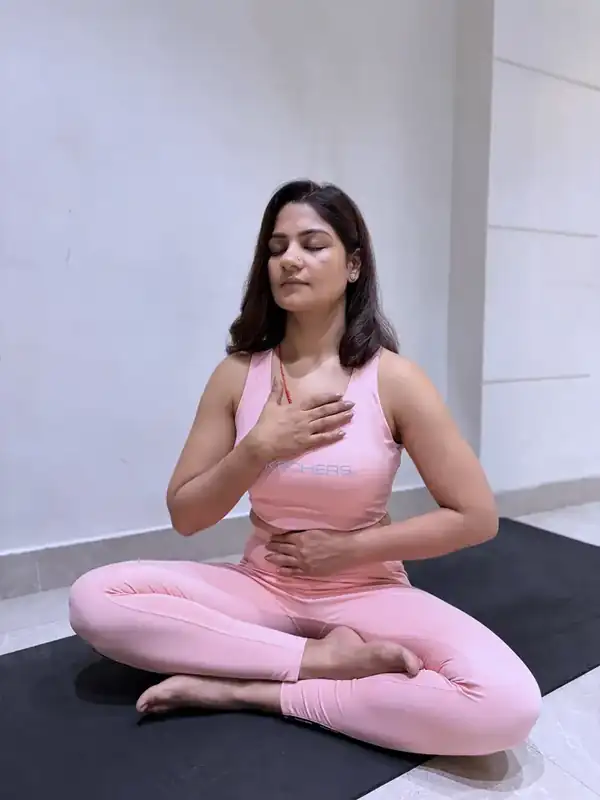
Breathing is at the heart of prenatal yoga. Simple, gentle techniques help calm the nervous system and build awareness. Many women find this becomes a tool they reach for when they feel discomfort, during labour and in the early weeks with their baby.
4. Rest and better sleep
Sleep often changes in pregnancy. A class that ends with supported, side-lying relaxation gives you protected time to rest, and many mothers find it helps them sleep better.
5. Emotional balance
Pregnancy can bring joy alongside uncertainty, mood changes and mental tiredness. Mindful movement and breathing create a pause in the day, and many women describe feeling more grounded and calm after class.
6. Trust in your body
Week by week, prenatal yoga teaches you to notice what your body is telling you: when to move, when to rest and when simply to breathe. That growing trust is something many mothers value most.
A note on benefits
These are the benefits mothers commonly report, and prenatal yoga is widely recommended as a safe way to stay active in a healthy pregnancy. Every pregnancy is different, so treat yoga as support for your wellbeing, alongside your doctor’s care, not as a treatment.
What a safe prenatal class looks like
Safety comes from how the practice is guided. A well-run prenatal class includes:
- Pregnancy-appropriate poses, with nothing pressing on the belly and no lying flat on the back for long after the first trimester.
- Slow, supported transitions between standing, sitting and lying down.
- Clear spoken guidance, so you always know what comes next and why.
- Options to rest at any point, without needing to ask.
- Awareness of each trimester, so the class changes as your pregnancy does.
Stop and get checked if you feel
- Dizzy, faint, or breathless in a way that does not settle
- Pain, bleeding, leaking fluid or regular tightening of the belly
- That your baby is moving less than usual
Read more in Is yoga safe during pregnancy?
Practising prenatal yoga online
Online prenatal yoga lets you practise from home, which is helpful if you live outside Amritsar, find travelling tiring, or simply feel more relaxed in your own space. A live online class keeps the safety of a teacher who can see you, answer questions and suggest changes for your stage of pregnancy.
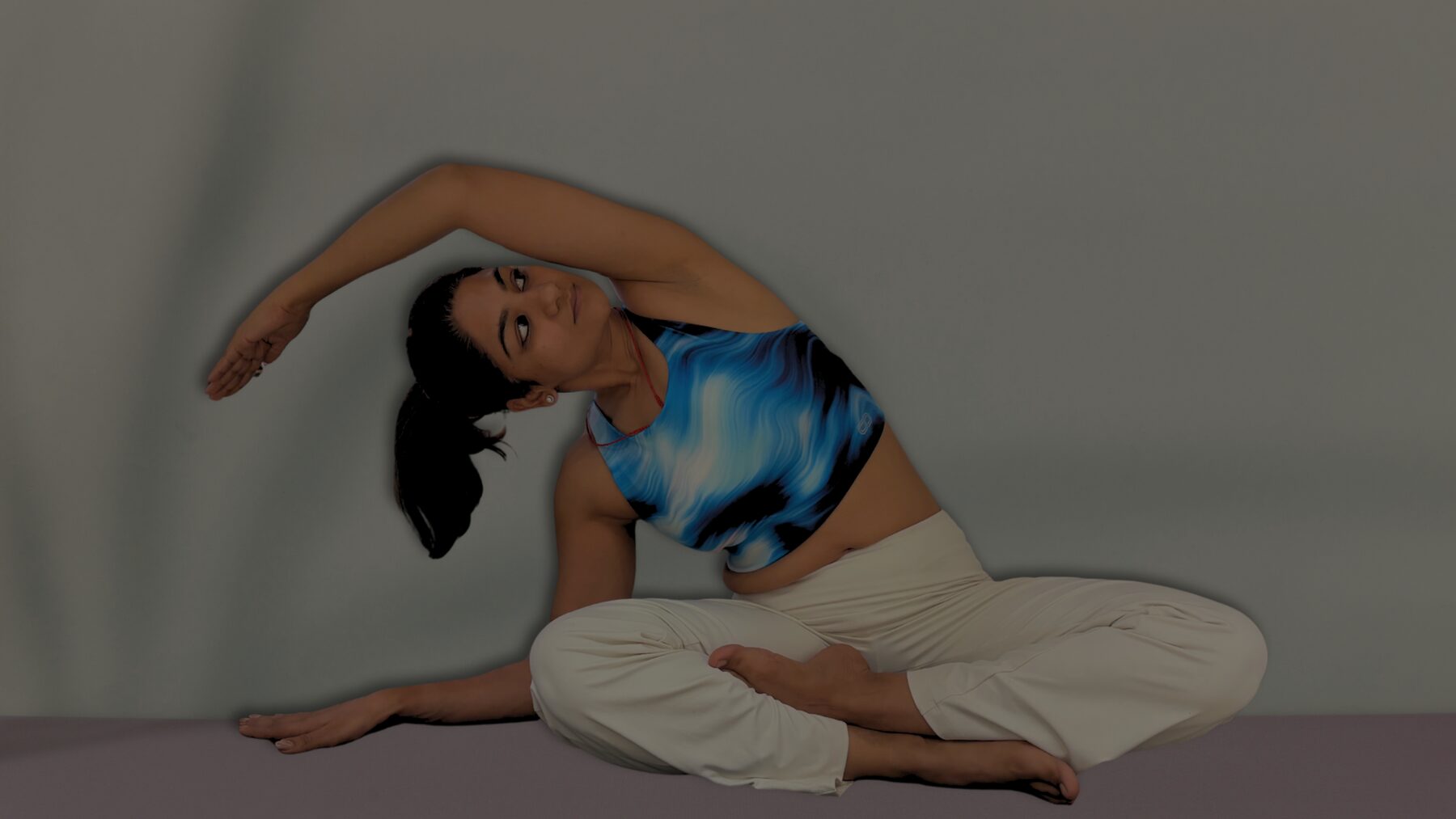
To set up at home you need a mat, a little floor space, a chair, a couple of cushions or a folded blanket, and a screen you can see from your mat. At Aerial Divya, prenatal yoga is taught at the studio and live online.
Frequently asked questions
Is prenatal yoga safe?
For most healthy pregnancies, gentle, pregnancy-adapted yoga is considered safe. Avoid force and strain, leave space for the belly, focus on comfort, and practise with a teacher trained in prenatal yoga. Speak to your doctor before you start.
I have never done yoga before. Can I start during pregnancy?
Yes. Many women begin yoga for the first time during pregnancy. Prenatal classes start with basic movements, breathing and relaxation rather than advanced poses.
Which poses should I avoid?
In general, avoid deep twists that compress the belly, strong abdominal exercises, lying flat on your back for long periods later in pregnancy, hot or heated yoga, and fast or jumping movements.
Can prenatal yoga help with labour?
Many women find the calm breathing and relaxation they practise in class helpful during labour and recovery. Yoga is a support alongside your antenatal care, not a guarantee of any particular birth experience.
Is online prenatal yoga safe?
It can be, if the class is designed for pregnancy, instructions are clear and slow, and you listen to your body rather than copying everything exactly.
The bottom line
Gentle prenatal yoga meets your body where it is each day. With slow movement, steady breathing and plenty of rest, it can help you feel more comfortable, calmer and more connected through every stage of pregnancy.
Sources
This article is general information, not medical advice. Always follow your doctor’s guidance for your own pregnancy.